The Invisible Half
A client called my five-month quote padded. I cut it to 30 days by removing everything he couldn't see: logging, auto-updates, sync retries, tests. Here's what he gave up.

Humanoid robots just spent 11 months on BMW's line in the US. Put one in most of our warehouses and it would stand there asking where everything is. Here's the ladder we still have to climb.
Read the full article →
A client called my five-month quote padded. I cut it to 30 days by removing everything he couldn't see: logging, auto-updates, sync retries, tests. Here's what he gave up.
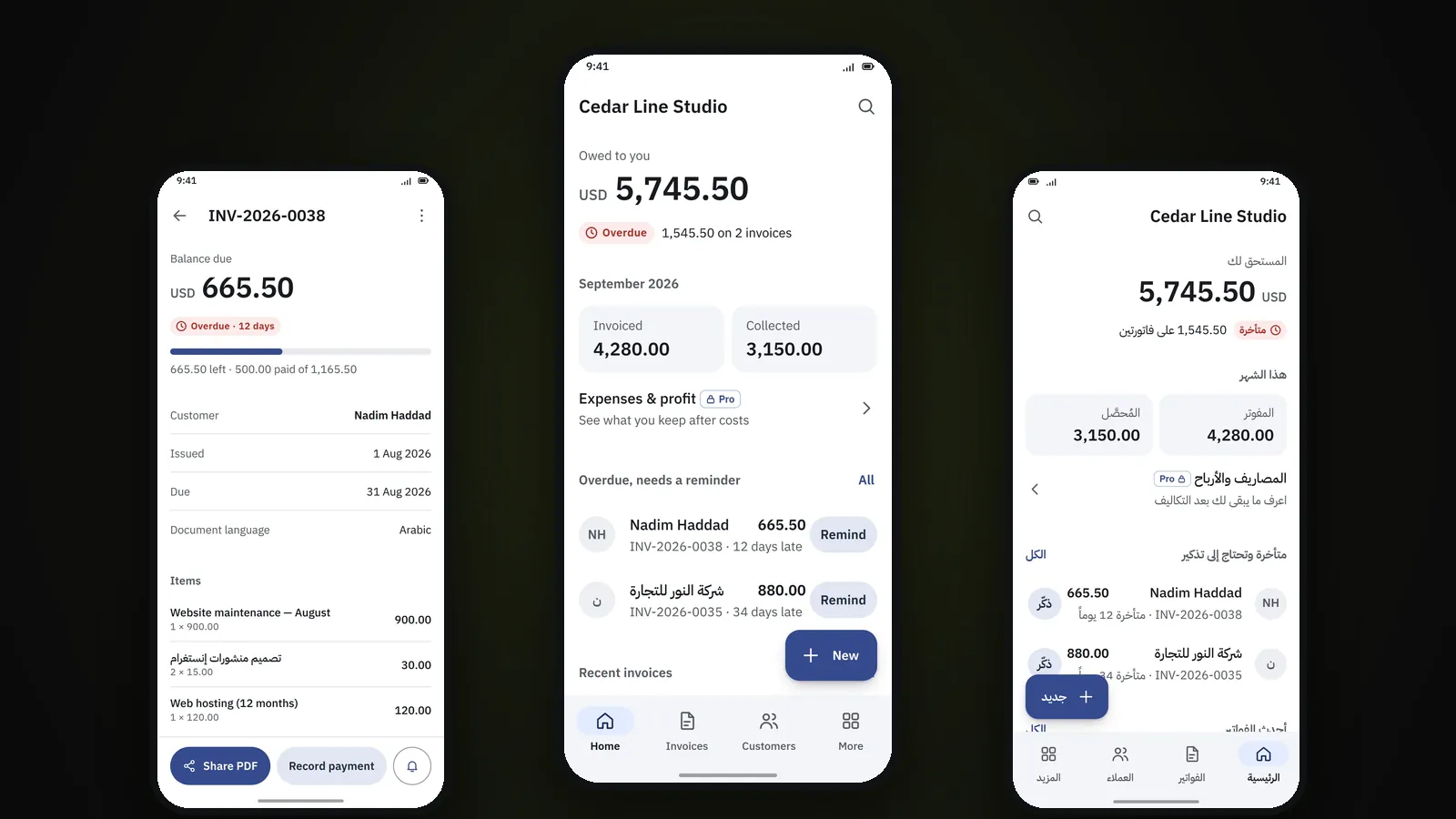
Most invoicing apps charge every month and assume you speak accounting. 3S Invoice does neither: free with no cap on invoices, or $75 once for Pro. Here's what I'm building and why.
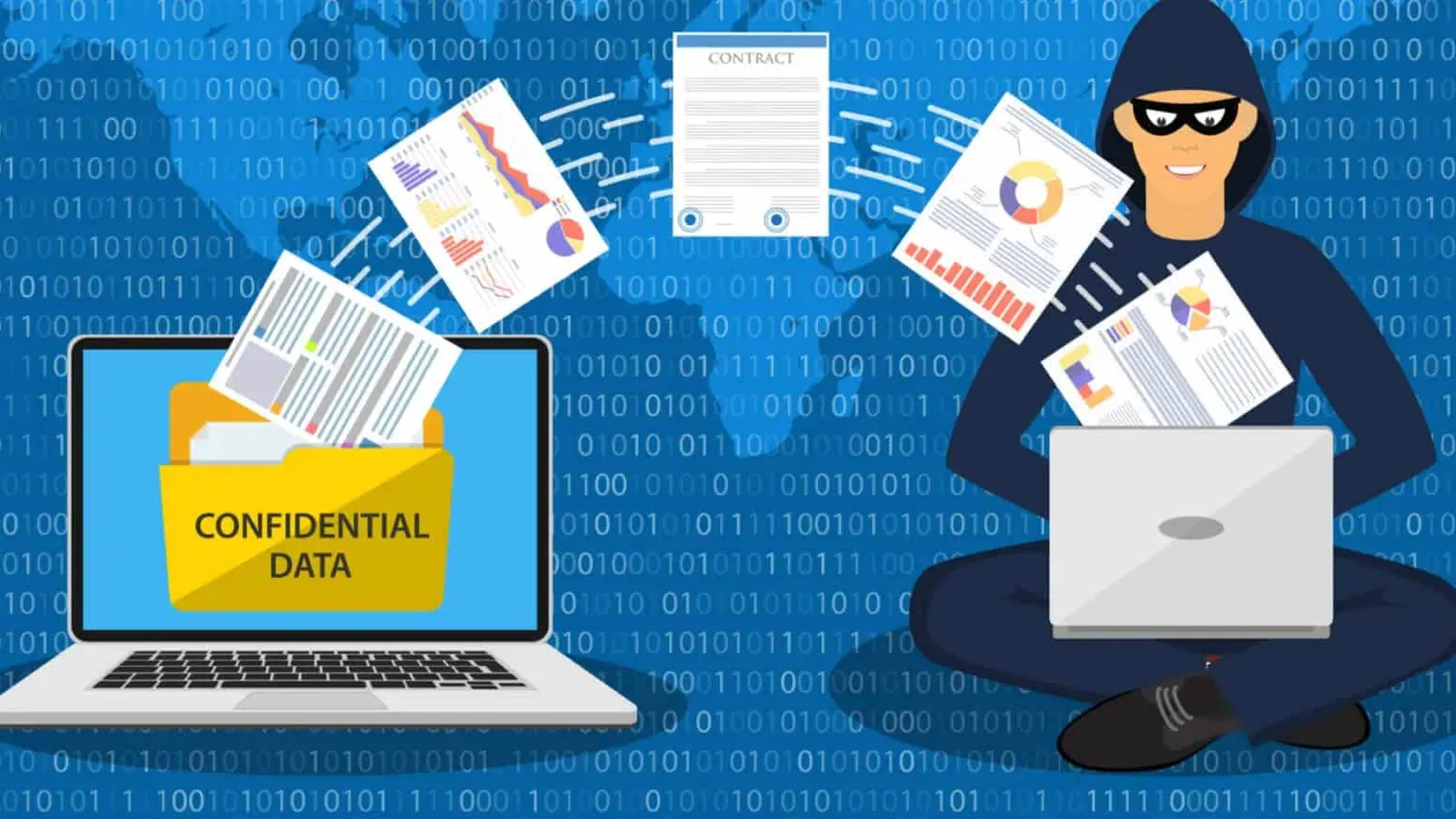
One of Lebanon's largest distributors lost its database to hackers and has been running on paper for a week. Developers don't need to be security experts. They need to not leave the holes.

A business owner proudly showed me his AI assistant with read-only access to the whole database. Read-only stops damage. It doesn't stop your customer list leaving the building.

I asked a client one question about how his orders work and got three different answers from three people in the same room. That business doesn't have an automation problem. It has a road problem.
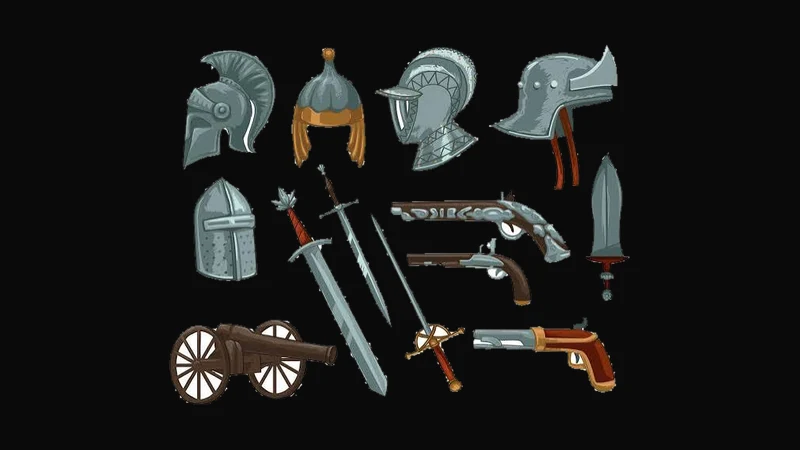
A guy over coffee asked whether we develop everything. Warriors don't forge their own swords, and businesses shouldn't build their own infrastructure. Here's the whole armory in one list.
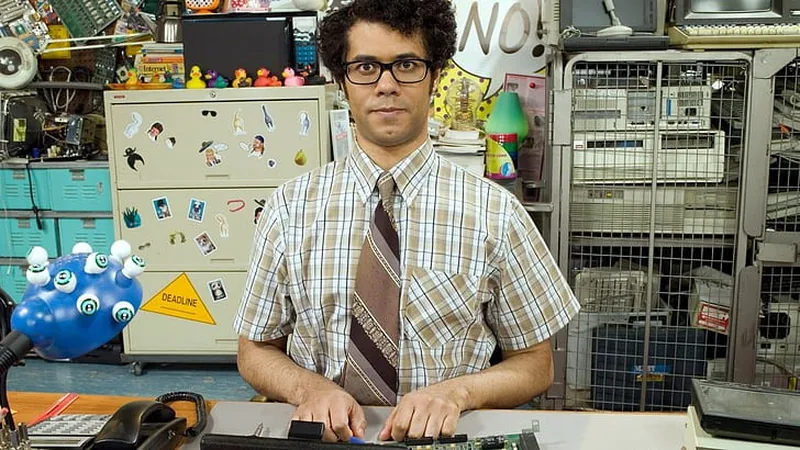
In 2005 I worked for Nokia and everyone handed me their phone to fix. Twenty years later I write software and everyone shows me their printer. Companies make hiring decisions on the same mix-up.
Three months after launch I deleted the seven-day trial, dropped the price, and split the product in two. Here's what changed and the reasoning behind each piece.
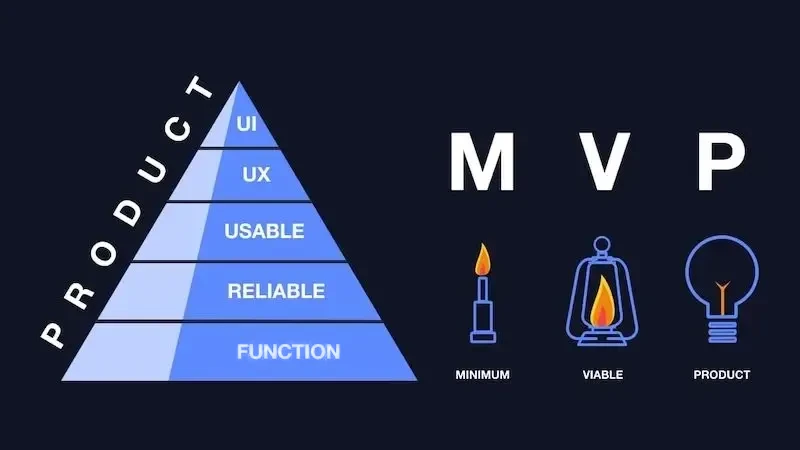
Every client arrives with the finished product in their head. Every feature, every screen. Almost every time I say the same thing: let's not build that first.
You paid to fix a problem the market ignored. Every competitor in your field has the same problem — and most business owners never notice they can sell them the fix.

A friend built several software products alone with an AI subscription. His problem wasn't the code — he has no idea how to sell any of it.
No shadowing a senior. I gave them a real client, a real problem, and told them to figure it out.
A client had budget approved and ready to sign. I said no anyway — the problem he wanted solved wasn't a software problem.

Every business owner has a cousin who does websites. That cousin is not a software company. Here's what actually happens when you find out the difference.
Every morning I delete emails from strangers who found me through my website. Most businesses don't have a lead problem. They have a trust problem.
We ran the experiment: one senior with AI vs three seniors going old school. Three weeks, same requirements. The results were close. The lesson was not.
From microservices for 4-person startups to AI agents spawning sub-agents — complexity has always been how developers signal competence. It isn't.
Two small shops outgrew Excel but couldn't justify an ERP. One sells tools, one sells phone accessories. Both found the same answer.
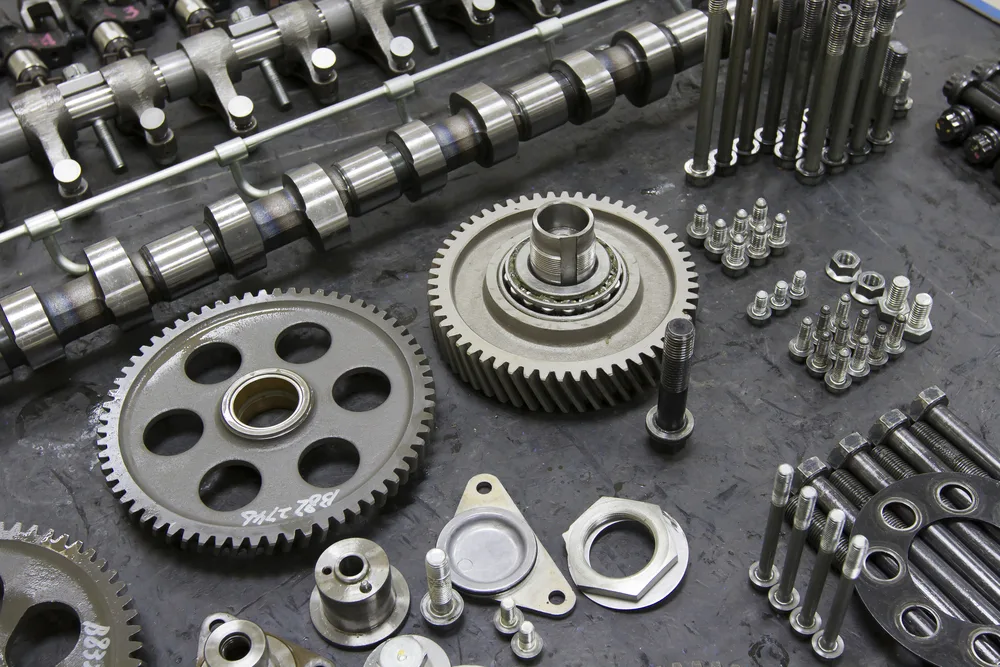
You'll never see a mechanic weld two parts together to make a repair work. Every component has a proper interface. Car manufacturers figured out SOLID decades ago.
I use Cursor and Claude Code daily. Here's what AI coding tools still get badly wrong — from someone with 25 years of context to notice.

The tools that got you here won't get you there. Most businesses figure this out too late — not because the tool breaks, but because the business outgrows it quietly.

Sales reps calling instead of visiting, going home at noon, holding collected cash. Distribution companies have problems nobody talks about — until the software shows them.
A client wanted React for his e-commerce store because his friend said WordPress is old. I recommended WordPress anyway. Here's why.

I walked into a shop and found a young owner tracking sales on paper. His reason was smart. His tool was wrong.

Clients arrive with a vision and a deadline — but no requirements. That gap is why most custom software projects fail before they start.

A potential client asked to see samples before committing. I told him I'm not a cloth shop. Here's what that means for custom software development.

A spy arrested in Lebanon breached the mobile operator, car registration database, and a major food delivery app. He said it took under three minutes.
Lebanese SMBs run on WhatsApp, have no IT department, and assume nobody's targeting them. All three assumptions are wrong.
Seven weeks ago I wrote about why I started building it. Today it ships — offline inventory management for small businesses. $300, one-time, no subscriptions, 7-day free trial.

Clients often assume software is just typing. It isn't. Here's what's actually behind the price — tools, time, and expertise nobody talks about.

Every client walks in with a simple idea and a three-month deadline. Here's what the project actually looks like when month 3 arrives.

Finding a good UI/UX designer used to be nearly impossible. Then they got expensive and selective. Now developers are testing AI — and the results are good.
Your software shipped. That's not the finish line. Support and maintenance are two very different things — one your team might handle, one almost certainly requires the people who built it.
The war froze every active project. Three small business owners had asked for the same inventory software. The market failed them every time. On the third ask, I stopped pointing elsewhere and started building.
I worked in a 1,200-person operations center in Romania. Huawei built a bunker-office designed to survive a nuclear strike. War is back in Lebanon. Does your business survive if yours goes down?

The NDA just expired on one of the largest banking automation projects I've worked on. Here's what we moved from the teller to the app — and three things that surprised me.
Google, Meta, Amazon — firing thousands of developers. The headlines say AI is replacing them. I wanted to know if that's actually true, so I ran the experiment myself.
A Lebanese startup is selling AI-ready servers for $18,000–$25,000. I attended their webinar. Here's why the pitch is wrong — not because of the price, but because of the solution.

A few hundred years ago, warriors had their swords custom-made by a blacksmith who measured their reach, their grip, and how they fought. Some businesses still need the same thing — software built for them specifically, not for whoever happens to buy it.

I came back in 2019 to build a SaaS product and walked straight into infrastructure I didn't expect to still exist. Power cuts, no Stripe, Gulf payment gateways, and clients who don't know why software costs money.

About 50% of the problems businesses bring me are not software problems. They're process problems. Here's what that actually looks like — and what to do about it.

A Microsoft ecosystem pitch in a room full of pharma decision makers who needed something else entirely. On vendor lock-in, Copilot hype, and the question nobody asked.

I've spent years watching how software companies actually operate — not from the outside. Here's why I built 3S Coding small on purpose, and why it'll stay that way.
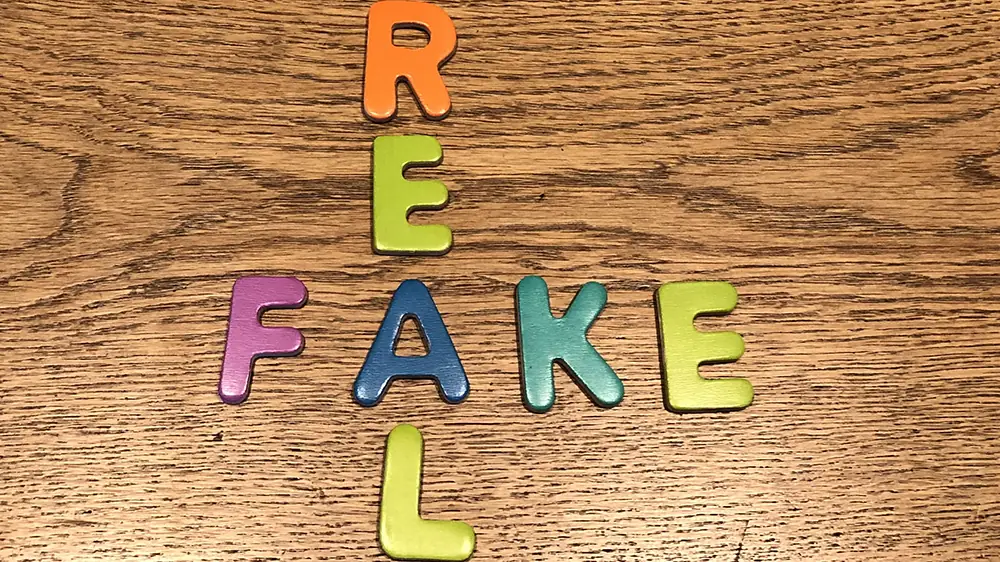
AI-generated images used to be easy to spot. Six fingers, melted hands, ears that were suggestions. That era is over — and now we have TV experts to tell us what our eyes can no longer figure out.

I wanted to explain AI agents to my wife. So I built her entire marketing department — autonomous, always-on, integrated with the ERP and every social platform. Her response, after the demo, was three words.

I just finished reading a book about AI agents — yes, an actual book. Here is what they are, how they're different from AI workflows, and whether your business should care about them now.
I have been buried in a new project for months. But you cannot keep ignoring the biggest thing happening in software development right now.
I was at a client site to connect to their ERP. Then they opened it. Twenty years of software archaeology, still running, still charging maintenance fees.

I'm in early discussions with a Lebanese pharmaceutical distribution company. I know almost nothing about the industry. That's my favorite way to start.

A client emailed me at 11pm. Five years of working trading software, wrecked in one afternoon by a $20 ChatGPT subscription and too much confidence. My first time seeing AI hallucinations in production code.

A friend runs a product company and asked why I bother with custom software development. Easier model, same money, less headache. My honest answer: I'm wired for the adrenaline.

That YouTube ad claiming you can build a website in 90 seconds with AI? It's not lying. Here's what it's not telling you — and why every business still needs a website regardless.

Automation is not the first step. It is the third. Digitization, digitalization, automation — in that order, no exceptions. Here is why skipping any of it guarantees failure.

Every company is rushing to add AI — not because they have a problem it solves, but because they're terrified of looking outdated. We've seen this movie before. It was called the dot-com bubble.
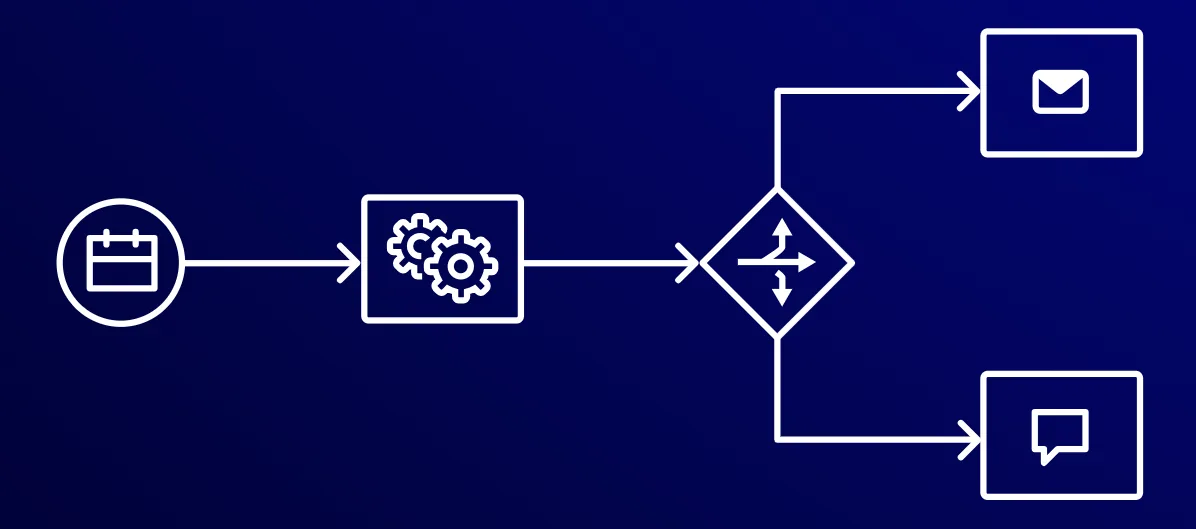
AI workflows automate the repetitive tasks your team does manually every day. Here's what they are, how they work, and whether your business is ready for one.

AI tools are fast, they know every framework, and they can produce working code. That's not the same as building software. Here's the distinction that actually matters.

Most businesses know their ERP is wrong for them. They stay anyway — not because it works, but because leaving feels worse. Here's why that fear is costing you more than a migration would.
Most businesses treat their ERP as a fixed set of capabilities. It isn't. Here's how open-source platforms like Odoo and ERPNext let you extend, customize, and build on top of what you already have.
Odoo and ERPNext are mature, community-backed, and far cheaper than proprietary alternatives. So why do companies keep avoiding them?

ERP adoption in Lebanon is decades behind comparable regional markets. Here's what an ERP system actually does, why Lebanese SMBs need one, and how modern platforms have made it accessible.
Most businesses don't run on a single piece of software — they run on a patchwork of tools that need to talk to each other. Here's a practical guide to choosing the right integration method for your business.
Running a small business or freelancing means staying on top of invoicing, expenses, and payments. 3S Invoice is built to make all of that simple.
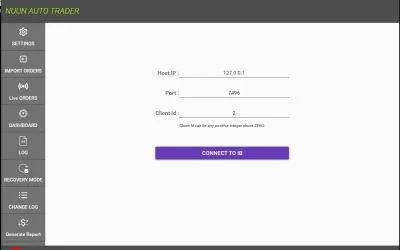
An in-depth look at NUUN — a trading automation platform we built that connects to Interactive Brokers via the IB API to execute strategies automatically.
A practical checklist of what product owners should expect from any custom software development partner — from experience to communication to delivery.

The right planning and architecture work upfront can dramatically cut development time and costs down the line. Here's why and how.
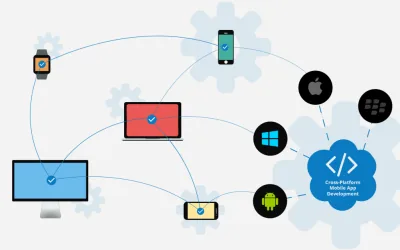
Why cross-platform frameworks deliver flexibility, a wider user base, lower maintenance costs, and a better development experience.

A complete walkthrough of building an on-demand cleaning app — from scope and tech stack to payment gateways and continuous improvement.

Choosing between custom and off-the-shelf software is one of the most consequential decisions a business makes. Here's how to think about it.
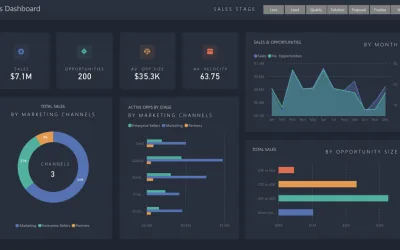
What makes a great business dashboard, why every modern company needs one, and the principles that separate useful dashboards from cluttered ones.

Facebook is great — but it's not enough. Why a real business website still matters in 2023, and what you lose by relying solely on social platforms.
Legacy software holds many businesses back. Here's what modernization actually means, and why investing in it pays off in the long run.
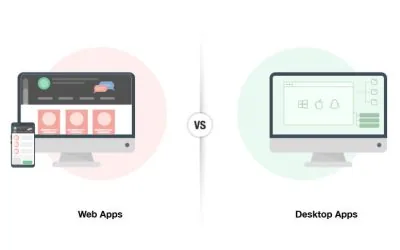
Each platform has its strengths. A practical comparison of web and desktop applications, when to choose which, and why the answer is often "both".