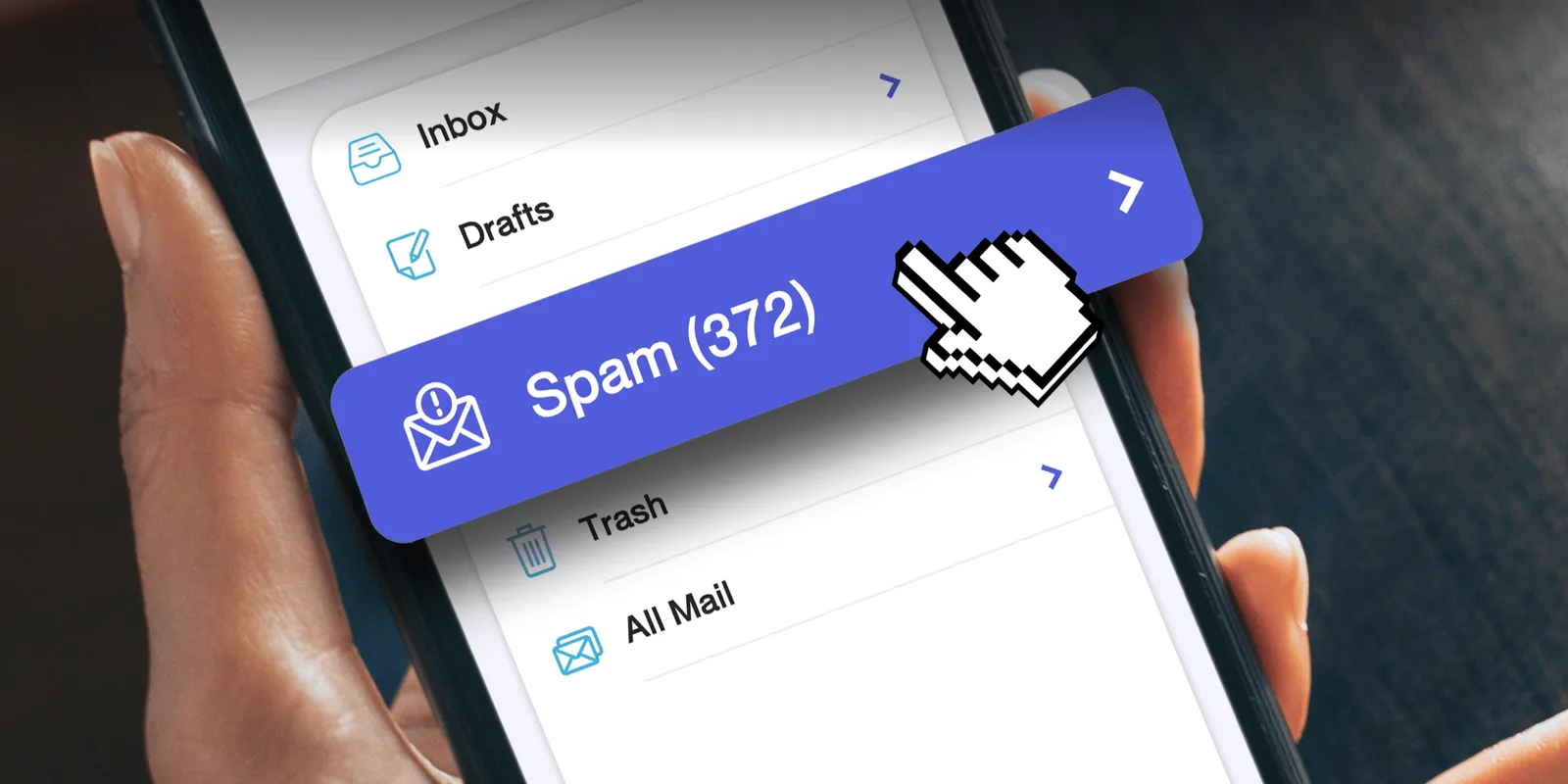
Every morning I open my inbox and delete emails from people offering SEO services, lead generation, AI automation, website redesigns, and growth hacks.
The funny part? They all found me through the contact information on my website.
My website — built specifically to lower the friction for real clients to reach me — has become the fastest route for strangers to interrupt my morning.
Why your contact details are out there
Businesses publish contact information for the same reason they hang a sign above the door: so the people who want to find you can. A phone number, an email address, a contact form — these exist to reduce friction for the right person. The assumption, reasonable enough, is that most people reaching out have some reason to.
That assumption has not aged well.
How that access gets abused
There is an entire industry built around finding your contact details and using them at scale. Some companies scrape websites. Others buy lists from data brokers. Some use AI to generate thousands of personalized-looking emails from a single template — your name, your company name, a sentence about something you posted three months ago. The result looks tailored. It was written for forty thousand people.
The tools have gotten better. The intentions haven't changed. Getting your email off a contact page is not an accomplishment — it's the starting point of a spreadsheet.
Why it stopped working
Cold outreach response rates have been declining for years, and the trend is not reversing. The average business owner can now identify a template before finishing the subject line. Inserting a first name, referencing a recent post, adding a line about the industry you work in — these tricks no longer signal personalization. They signal that someone tried to appear personal and didn't manage it.
The problem isn't execution. It's the model.
Reaching out to someone who has never heard of you is not an opening. It's an interruption. You are asking for attention from someone who has no reason to give it — and the fact that you found their email address does not change that.
You don't have a lead problem
Most businesses don't have a lead problem. They have a trust problem.
The barrier to getting a reply is no longer finding someone's email. It's being someone worth replying to.
And every unsolicited email that lands in someone's inbox makes that trust gap wider — not just for the sender, but for anyone else who tries to reach that person cold. The inbox is now treated as adversarial territory. People skim, delete, and block. The default posture toward a new email from an unknown sender is suspicion.
You can optimize your subject line until it's perfect. You can A/B test your call to action. None of that fixes being a stranger.
What I do instead
That's one reason I've been investing more time in sharing my work publicly on LinkedIn.
Not every post finds the right audience. Most don't. But when someone reaches out after reading something I've written — about a project, a decision, a mistake I made on a client job — they are not talking to a stranger. They have already seen how I think, what I build, and whether my approach matches what they're looking for.
The contact form is still there. It still gets used. But the people who use it have already done most of the qualification themselves. They're not asking "who are you?" They're asking "are you available?"
That is a very different conversation.
The easiest way to get your email deleted is to appear in someone's inbox uninvited.
The easiest way to get a reply is to stop being a stranger before you send the message.