A client called me a few weeks ago wanting AI agents. Not one agent for one job — agents, plural, the way people say it now. He'd seen a demo, the numbers in it looked excellent, and he wanted to know how fast we could start.
So I asked him one question. When a customer changes an order after the invoice has already been issued, what happens?
He told me. Then his operations manager, sitting next to him, told me something different. Then we called the person who actually handles it every day, and she gave a third answer — the only one that matched what was in the system. Three people, one company, one everyday event, three versions of the truth.
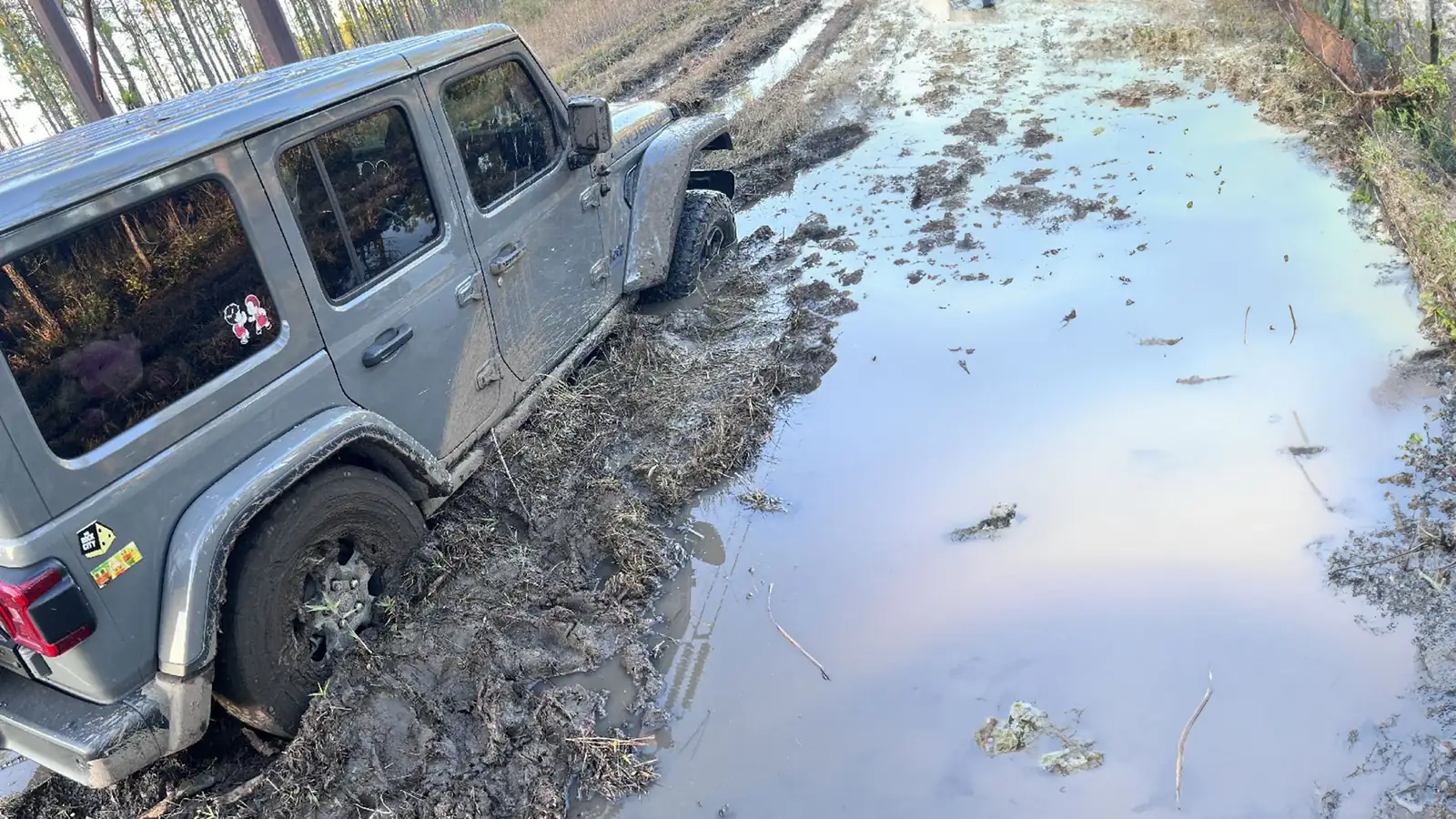
That business doesn't have an automation problem. It has a road problem. You can buy a very good car, park it where there's no road, and own a very expensive object that sits there getting muddy.
The car got cheap. The road didn't.
Two years ago, automation was a project. It cost real money, it needed a vendor, and the price alone filtered out businesses that weren't serious. That filter is gone. Today a capable AI subscription costs less than a phone line, the tooling around it is a weekend of work, and every business owner I meet has seen a demo that made it look effortless.
What didn't get cheaper is the road. Nobody demos a process. There's no impressive three-minute video of a company agreeing on how orders get approved and then actually doing it that way for six months straight. It's slow, it's unglamorous, and it's the part that determines whether the car moves.
I've written before about the sequence — digitization, digitalization, automation, in that order. This post is about the part that sits underneath all three, and the part I see skipped most often now that the tools are cheap enough to buy on impulse.
Honest aside: we build automations and AI workflows for a living. We also tell clients to wait, fairly regularly. Not out of caution — because taking money to automate something nobody has agreed on yet is how you get a project that fails loudly and takes the relationship with it.
A process is not what is written on the wall
Plenty of businesses do have documented processes. There's a binder, or a folder on a shared drive, or a flowchart someone made during a consulting engagement in 2021. It's accurate — it just describes a company that no longer exists in that exact form.
The real process is whatever people do on a Tuesday when they're behind. And what people do on a Tuesday is almost never what the flowchart says. Someone found a faster way. Someone else works around a step because the person who owns it takes three days to answer. A rule gets skipped for good customers and nobody wrote that down, because it started as a favour and quietly became policy.
None of that is incompetence. It's how organisations actually work, and mostly it works fine — because humans are running it and humans compensate.
Humans absorb variance. Software doesn't.
This is the part business owners underestimate, and it's the whole argument.
Your team absorbs exceptions constantly, and silently. The salesperson who calls the warehouse to check stock because he's learned not to trust the number on screen. The accountant who knows three customers pay in cash and adjusts. The dispatcher who reorders the route because it's raining. Every one of those is a small, invisible repair to a road that was never properly paved — done fresh, by hand, every single day.
Then you automate. The automation hits the same exception and does one of two things. A traditional workflow stops, which is annoying but honest — you find out immediately. An AI agent does something significantly worse: it improvises. It produces a confident, plausible, completely wrong outcome, and then it does that again four hundred times before anyone notices, because the output looks right and the computer said so.
A person who doesn't know what to do asks someone. An AI agent that doesn't know what to do guesses — and it never gets tired of guessing.
Automation needs a process with defined behaviour at the edges — because the edges are where all the work actually happens, and there's no one standing there to quietly fix the road anymore.
What a finished road looks like
You don't need a perfect operation before you automate anything. You need one process that holds up under five questions. Take whichever process you were planning to automate first and answer these honestly:
- Do three people describe it the same way, asked separately? If not, fix that before anything else. It costs a morning.
- Does every common exception have a rule, or does it have a person? "Ask Rami" is not a rule. It's a dependency, and Rami takes holidays.
- Does the data land in the system when the event happens, or that evening? Automation built on data that arrives eight hours late makes decisions about a business that stopped existing at lunchtime.
- If someone skips a step, does anything notice? If the answer is "we'd find out at month end," the process isn't being followed — it's being remembered.
- Has it run this way for three months? A process agreed on last week is a plan. Automate the ones that have survived contact with a bad month.
Most businesses fail two or three of these on the first pass. That's normal, and it's genuinely good news — the fixes are cheap, they're mostly conversations and decisions rather than software, and every one of them pays off whether you ever automate or not.
Pave first, then buy
The businesses I've seen get real value out of automation this past year were not the ones with the most sophisticated tools. Several of them used the boring, obvious, off-the-shelf option. What they had in common is that before they automated anything, they could describe exactly what was supposed to happen, everyone did it that way, and the exceptions had names and rules.
The road is the asset. The car is the reward for building it.